Why Pinkcity Housing Focuses on Quality Construction
Quick Summary
Quality construction is the foundation of a safe, durable, and long-lasting home. It ensures structural strength, reduces maintenance costs, improves resale value, and provides peace of mind. By focusing on premium materials, skilled workmanship, and strict quality checks, Pinkcity Housing is committed to delivering homes built for lasting value.
Table of Contents
What makes a home truly valuable? It's not just the location or interiors, it's the quality of construction that ensures safety, durability, and long-term peace of mind. Choosing a well-built home today can save you from expensive repairs tomorrow.
In this guide, you'll learn why construction quality matters, what to check before buying a flat, and how Pinkcity Housing focuses on delivering homes with premium materials, strict quality standards, and lasting value.
Key Takeaways
- Quality construction ensures safety and long-term durability.
- Strong materials help reduce future repair and maintenance costs.
- Well-built homes offer better resale and investment value.
- Always check construction quality before buying a flat.
- Pinkcity Housing follows a quality-first approach with premium materials and strict quality standards.
What Does Quality Construction Really Mean?
Quality construction goes beyond beautiful architecture and elegant interiors. It refers to building homes using the right engineering practices, high-quality materials, skilled workmanship, and strict quality control throughout the construction process.
A quality-built home typically includes:
- Strong RCC (Reinforced Cement Concrete) structure
- High-grade cement and steel
- Proper waterproofing systems
- Reliable plumbing and electrical installations
- Premium flooring and finishes
- Excellent ventilation and natural lighting
- Compliance with safety and building regulations
These factors work together to create a home that remains safe, durable, and comfortable for many years.
Why Construction Quality Matters Before Buying a Flat
Many homebuyers compare projects based on price, amenities, or location. However, construction quality should always be one of the top priorities because it directly affects your family's safety and your property's long-term value.
1. Strong Structural Safety
A quality-built structure is designed to withstand environmental conditions and everyday wear. Strong foundations, reinforced concrete, and proper engineering significantly improve the durability and stability of a building.
2. Lower Maintenance Costs
Homes built with superior materials require fewer repairs over the years. Proper waterproofing, quality plumbing, and skilled workmanship reduce the chances of leakage, cracks, seepage, and electrical issues.
3. Better Property Value
Well-constructed homes generally maintain higher resale value and attract more buyers in the future. Quality construction also contributes to better rental demand.
4. Comfortable Living Experience
Good construction improves sound insulation, ventilation, temperature control, and overall comfort, creating a healthier and more enjoyable living environment.
How Pinkcity Housing Maintains High Construction Standards
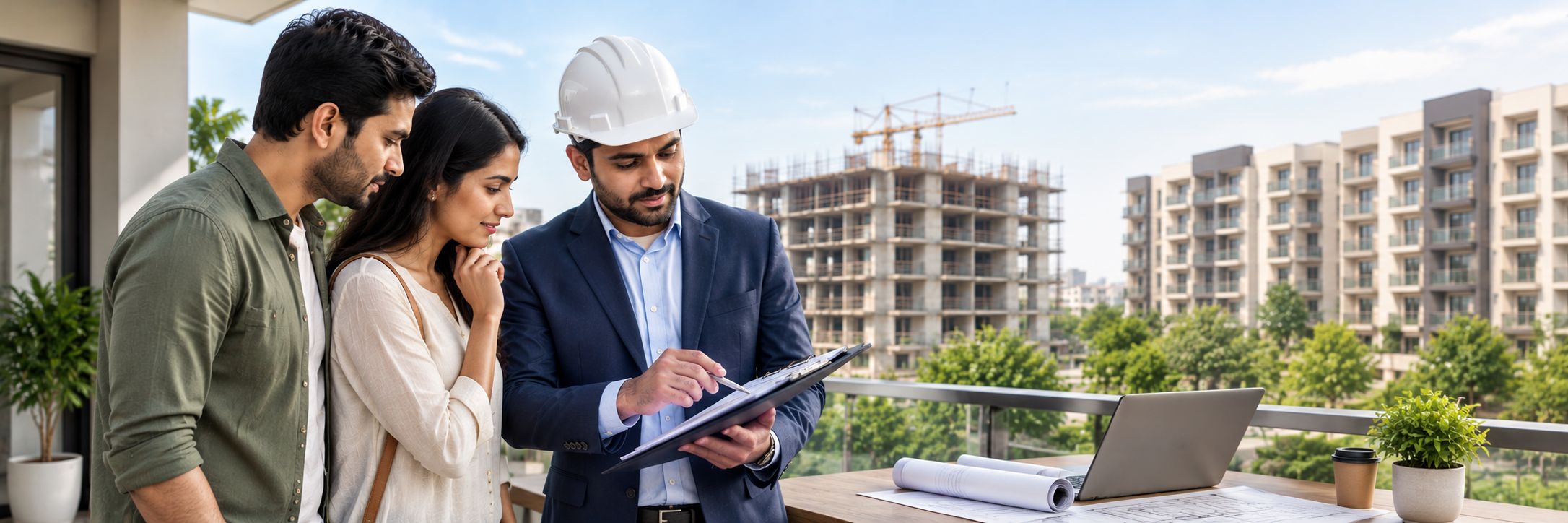
Delivering quality homes requires careful planning and consistent execution. Pinkcity Housing follows a systematic construction process where every stage is monitored to ensure high standards of quality and durability.
Premium Construction Materials
The quality of a building depends heavily on the materials used. Premium cement, high-strength steel, quality bricks, reliable plumbing systems, and branded electrical components contribute to the overall strength and longevity of a home.
Experienced Engineering Team
Every successful project requires skilled professionals. Experienced engineers, architects, and site supervisors work together to maintain construction accuracy, structural integrity, and attention to detail.
Multiple Quality Inspections
Construction quality is verified throughout the development process rather than only at project completion. Regular inspections help identify and resolve issues early, ensuring consistency and reducing future maintenance concerns.
Modern Construction Practices
Using proven construction techniques, proper curing methods, accurate measurements, and advanced engineering practices improves both structural performance and finishing quality.
Compliance with Industry Standards
Following approved building regulations and maintaining transparency throughout the construction process helps ensure buyers receive homes built according to established quality standards.
The Construction Process Behind a Quality Home
Understanding how a building is constructed gives buyers greater confidence in their investment.
Step 1: Land and Soil Testing
Before construction begins, soil testing helps determine the strength of the land and supports proper foundation design.
Step 2: Strong Foundation
A well-designed foundation evenly distributes the building's weight and enhances long-term structural stability.
Step 3: RCC Framework
The reinforced concrete framework forms the backbone of the building and provides overall structural strength.
Step 4: Brickwork and Masonry
Proper alignment and quality masonry improve wall strength, durability, and finishing quality.
Step 5: Plumbing and Electrical Installation
Well-planned plumbing and electrical systems ensure safety, convenience, and long-term performance.
Step 6: Waterproofing
Professional waterproofing protects the building against moisture, seepage, and water damage, especially in bathrooms, terraces, and roofs.
Step 7: Flooring and Interior Finishing
Quality flooring, paint, doors, windows, and fittings improve both appearance and durability.
Step 8: Final Quality Inspection
Before handover, every important aspect of the property is inspected to ensure it meets quality expectations.
Features That Reflect Quality Construction
When visiting any residential project, look for these indicators of good construction quality:
| Construction Feature | Benefit |
|---|---|
| Strong RCC Structure | Long-lasting durability |
| High-Quality Cement & Steel | Better structural strength |
| Waterproofing System | Prevents leakage and seepage |
| Premium Plumbing | Reduces maintenance issues |
| Branded Electrical Fittings | Improved safety |
| Anti-Skid Tiles | Enhanced safety for families |
| High-Quality Paint | Long-lasting finish |
| Durable Doors & Windows | Better insulation and security |
How Buyers Can Check Construction Quality
Even if you're not an engineer, you can inspect several important aspects before buying a flat.
- Check walls for visible cracks.
- Ensure flooring is level and properly finished.
- Test doors and windows for smooth operation.
- Inspect bathroom waterproofing and plumbing fittings.
- Verify electrical switchboards and power points.
- Observe the overall finishing quality.
- Ask about the materials used during construction.
- Review approvals and quality certifications.
These simple checks can help you make a more informed buying decision.
Quality Construction vs Poor Construction
| Quality Construction | Poor Construction |
|---|---|
| Strong foundation | Weak structural support |
| Premium materials | Low-grade materials |
| Better durability | Frequent repairs |
| Lower maintenance costs | Higher maintenance expenses |
| Better resale value | Lower market value |
| Greater safety | Increased structural risks |
Questions Every Homebuyer Should Ask a Builder
Before finalizing your purchase, ask these important questions:
- What grade of steel and cement is used?
- How is construction quality monitored?
- Is waterproofing included throughout the project?
- What quality inspections are conducted?
- Are branded electrical and plumbing materials used?
- How experienced is the engineering team?
- What measures are taken to ensure structural safety?
These questions help you evaluate the builder's commitment to quality and transparency.
Why Quality Construction Saves Money in the Long Run
Some buyers focus only on the purchase price, but construction quality significantly affects long-term ownership costs.
A quality-built home offers:
- Fewer repairs
- Lower maintenance expenses
- Better energy efficiency
- Higher resale value
- Greater durability
- Long-term peace of mind
Choosing a home built with quality materials is often more cost-effective than paying for frequent repairs later.
Why Quality Is Always Worth the Investment
A home should provide safety, comfort, and lasting value for decades. Investing in quality construction means investing in your family's future. Durable structures, superior workmanship, and careful attention to detail create homes that remain reliable for generations.
Rather than focusing only on attractive finishes, buyers should consider the engineering, materials, and construction practices that determine how well a home performs over time.
Conclusion
Quality construction is the key to a safe, durable, and valuable home. By choosing a builder that prioritizes strong materials, expert craftsmanship, and high construction standards, you can enjoy greater peace of mind and long-term value.
At Pinkcity Housing, we're committed to building homes that stand the test of time. Explore our projects today or schedule a site visit to experience our quality-first approach firsthand.
Frequently Asked Questions
Quality construction refers to building homes using strong materials, skilled workmanship, proper engineering, and strict quality control to ensure safety and durability.
It helps reduce future maintenance costs, improves safety, increases resale value, and ensures a comfortable living experience.
Check structural finishing, waterproofing, flooring, plumbing, electrical work, and ask about the materials and quality checks used during construction.
Yes. Homes built with high construction standards generally appreciate better and remain attractive to future buyers.
Absolutely. A quality-built home reduces repair expenses, offers greater durability, and provides better long-term value.